

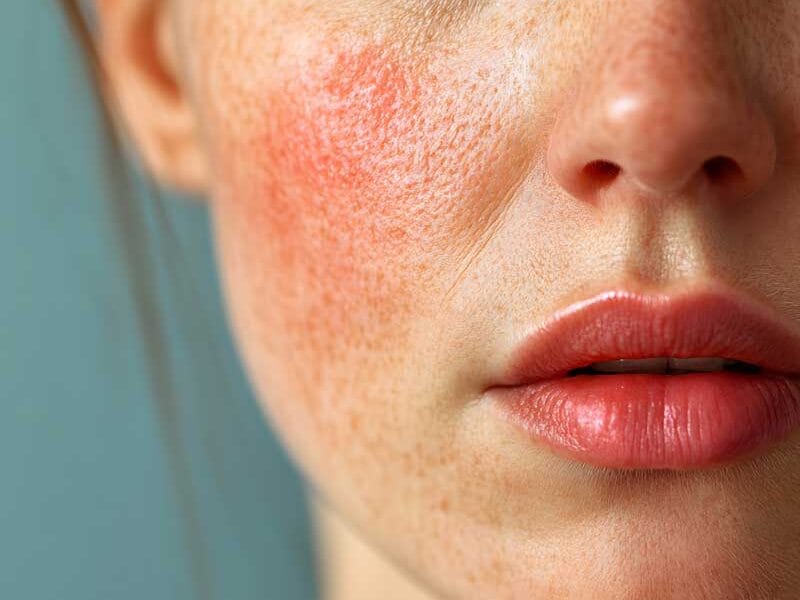
If you have rosacea and you’re in your 40s or 50s, you might have noticed that your symptoms have gotten more intense.
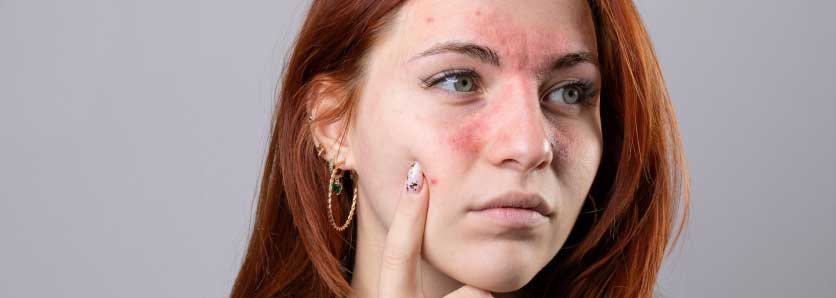
Frequent flushing, dilated blood vessels, and acne-like breakouts are all symptoms of the condition, which affects more than 14 million people in the United States.
Rosacea is most common in women and people with fair skin. It can be diagnosed at any age, although many people don’t experience symptoms until after 30.
We’re not really sure what causes rosacea or why it tends to worsen in middle age. There is no cure. But, with the help of a board-certified dermatologist, it can be well-managed.

Why rosacea may intensify with age
Rosacea often runs in families and results when the immune system overreacts to environmental triggers, like sun exposure, cold and hot weather, stress, physical activity, alcohol, and spicy foods.
Beyond the typical symptoms – including persistent redness, dilated blood vessels, and bumps – it may also cause skin dryness, tightness, and burning. Rosacea can cause a feeling of grittiness or itchiness in the eyes. It can also thicken the skin on the nose.
Symptoms usually ebb and flow as you encounter triggers. Periodic flare-ups can last weeks, months, or indefinitely without treatment.
If you developed rosacea in your 20s or earlier, it often intensifies between ages 30 and 50. The most likely reason is that years of exposure to triggers can result in chronic inflammation, which can weaken the tissue around blood vessels and, gradually, cause them to widen. This can result in worsening flushing and persistent redness.
Years of chronic inflammation, compounded by normal skin aging and sun damage, can cause collagen fibers to become less elastic, leaving blood vessels permanently dilated, essentially, and visible on the skin surface. This might also explain the persistent redness.
While scientists haven’t established a clear hormonal connection, many women seem to experience worsened symptoms in perimenopause and menopause.
How to manage it
Managing your rosacea will likely require a combination of approaches.
Avoid triggers. Some triggers, like cold or hot weather, aren’t always avoidable. But knowing yours and steering clear of the ones that are – such as avoiding alcohol or spicy foods – can minimize flare-ups.
Use gentle products. Scrubs and products with fragrance can irritate the skin. Instead, use a moisturizing cleanser with glycerin or dimethicone, which can soothe the skin. Cleansers and creams with sulfur, which has anti-inflammatory effects, can also help curb symptoms.
Wear sunscreen. The sun is one of the most common rosacea triggers. Wear a broad-spectrum sunscreen with an SPF of 30 or higher every day, and reapply every couple of hours.
Consider prescription medications. Topical treatments such as azelaic acid, ivermectin cream, metronidazole, and encapsulated benzoyl peroxide cream 5 percent can help reduce the inflammation that causes pimples and pumps. And others like oxymetazoline cream and brimonidine gel can narrow blood vessels under the skin to minimize redness.
These topical medications may be used with low-dose antibiotics, which can also help with symptoms during flare-ups or for longer periods.
Try laser treatment. Laser therapy can shrink blood vessels and reduce redness, too. Depending on the severity of their symptoms, people often start with one to three treatments, spaced about a month apart from each other. Then, they may repeat the therapy every six to 12 months for maintenance. Laser treatment is typically recommended in combination with topical medications or oral antibiotics.
It’s never too late (or early) to see a dermatologist about new or worsening rosacea symptoms. They can help you identify your triggers and develop a management strategy, which could help you feel much more in control.
 Everyone’s Rubbing Ice Cubes on Their Face. Is It Actually Doing Anything?