

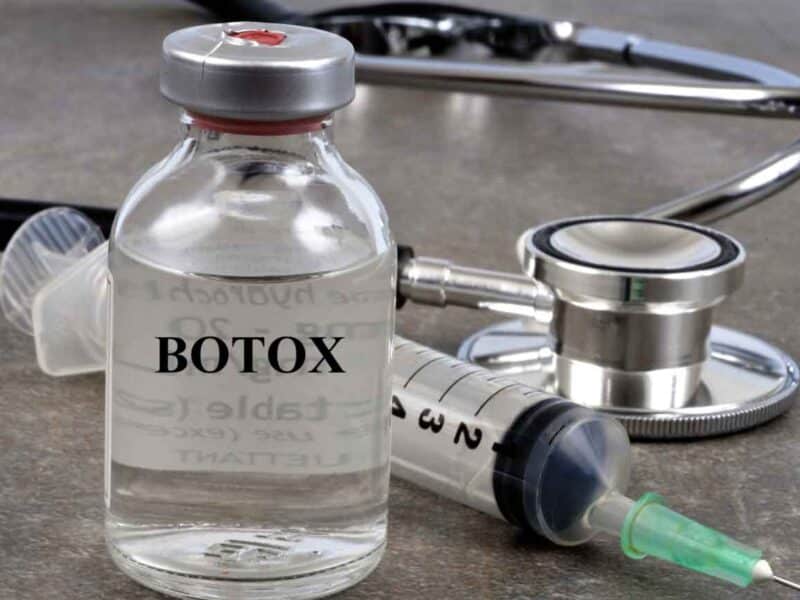
Botox resistance is an issue that’s gaining traction in online forums and across various social media platforms.
Is it possible to become less responsive to neuromodulators like Botox over time? It depends. There are lots of variables that influence the effect that neuromodulators have on your muscles. (There are five FDA-approved neuromodulators – also called neurotoxins – currently on the market. Botox is the most widely used by a significant margin. So, to keep things simple, I’ll use Botox from here on out to refer to all five neuromodulators.)
Researchers have begun to explore the concept of “Botox resistance,” but it’s still too early to draw any firm conclusions from it. This is what we do know about it so far.
What is Botox resistance?
“Botox resistance” is one of a number of various terms used to describe what happens when a patient doesn’t respond to Botox injections or does not respond to them in the same way they used to.
This is a relatively rare phenomenon that’s believed to occur when the body develops neutralizing antibodies in response to either the active ingredient in Botox or the supporting proteins in a given formula. In other words, over time and with repeated exposures, your body can develop an immune response to these foreign proteins.
A recent analysis put the occurrence Botox resistance as a result of aesthetic use at around 0.5%. (The FDA approved Botox as a treatment for migraines in 2010. In these cases, much higher doses of Botox are used than in cosmetic patients. It’s thought that the significantly higher dosage used for therapeutic cases can put a patient at greater risk of developing Botox resistance.)
While the presence of these neutralizing antibodies could impact Botox’s effect on your muscles, it doesn’t appear that they have any effect on a person’s health.
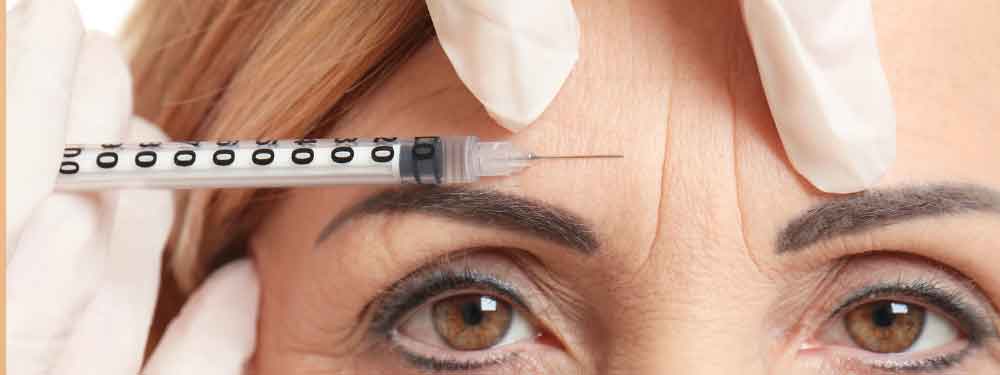
What causes Botox resistance?
It’s still too soon to say what causes Botox resistance. For all the theories, evidence is scarce, and correlation is not the same as causation.
That said, frequency does seem to play a role. With the rise of medspas, Botox is widely available. But it’s not all being injected in the same manner. Medspas tend to inject fewer units, which enables them to offer a treatment at a lower price – and prompts clients to return for more injections more often than if they were treated by a board-certified dermatologist.
There may also be a connection between the Covid vaccine and the effectiveness of Botox. In 2022, a small study of 45 patients found that muscle movement returned about two weeks sooner in those who had gotten the Covid vaccine versus those who had not.
Can Botox resistance be prevented?
Keep in mind, Botox resistance is exceedingly rare. But if you find yourself not responding to your injections as well as you used to, there are some things you can try.
 Is It OK to Hide a Cold Sore with Makeup?