

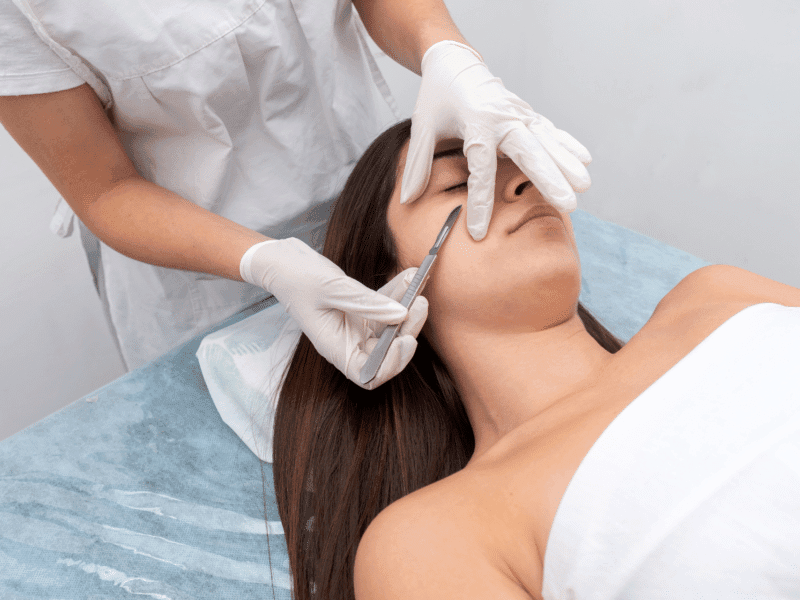
Dermaplaning is a great way to remove peach fuzz from your face. Think of it like an elevated form of shaving. A sharp blade is used to gently scrape away those wispy little hairs, along with dead skin cells, which can improve the appearance of your skin and its health.
But is it safe to try it on your own? Here’s what you should know.
How exactly is dermaplaning beneficial?
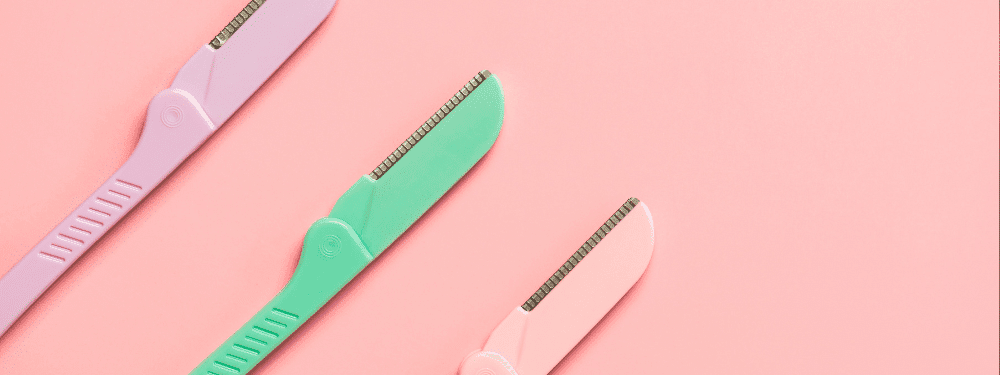
In a dermatologist’s office, a sterile surgical blade is typically used to perform the procedure, whereas the blades used at home are generally duller.
Whether doing it yourself or visiting a dermatologist to have it done, dermaplaning should leave your skin feeling softer, looking brighter, and smoother.

The buildup of dead skin cells can contribute to a dull complexion. They can also clog your pores along with dirt and bacteria, leading to acne. Dermaplaning removes this buildup. It also supports healthy skin by triggering cell turnover, in which dead skin cells are shed and replaced with new ones.
And dermaplaning helps skincare products absorb better. It will also create a smoother surface for makeup.
If you’re worried that dermaplaning will cause your hair to grow back faster, coarser, or darker, don’t. There’s no evidence to support it. Although the hairs might feel and look a little different when they come back in because dermaplaning can blunt their tips and cause them to regrow at different angles.
Is it safe to dermaplane your own face?
The risk of nicks is always possible with dermaplaning, but it’s a little more likely if you do it at home. That’s because, as I mentioned, over-the-counter blades tend to be duller than the surgical blades dermatologists use. Which means you’ll have to press more firmly, increasing the risk of irritation or little cuts.
Most over-the-counter blades are also meant to be used multiple times. And the more you use them, the duller they’ll become.
With cuts come the potential for infection. Scarring is also possible if the dermaplaning is done too aggressively, whether by you or a professional.
The American Academy of Dermatology doesn’t have an official stance on dermaplaning, but most dermatologists would agree that it’s better left to a dermatologist (perhaps not surprisingly). But not just any dermatologist; one with extensive experience in dermaplaning.
If you have sensitive skin, you should avoid dermaplaning altogether. It can also worsen conditions like acne and eczema.
Minimizing the risks
If you still want to try it at home, use a fresh blade. Dermaplaning works best when the blade is sharp. And replace the blade after each use to ensure it’s always sharp and to avoid contamination.
Before you do it, wash your face with a gentle cleanser. Applying a barrier, like oil, to your skin can help minimize irritation. And don’t exfoliate for at least a couple days beforehand.
When dermaplaning yourself, hold your skin taut and gently skim the blade across its surface. Do it no more than a couple times to avoid irritation.
Afterward, apply a fragrance-free moisturizer. For the next few days, it’s especially important to wear sunscreen. You should also avoid using retinol or acid-based products during this time. And try to go without makeup for the first 24 hours.
For the next time around, wait for your peach fuzz to start regrowing, which could take anywhere from a couple of weeks to around a month. If you try to do it any sooner, you won’t give your skin enough time to recover, which increases the risk of nicks and small cuts.
 Niacinamide, As an Active Ingredient, Deserves Your Consideration. Here’s Why