


While there is a lot of overlap between hyperpigmentation and melasma, they are not the same thing. It’s important to make this distinction because without the correct diagnosis, you might not be trying the most effective treatment.
In my last post, I outlined the causes of each and how you can tell them apart. These guidelines are meant mainly to help you identify what you might be dealing with. Even then, it’s a good idea to see a board-certified dermatologist. Self-diagnosis with these two conditions can be tricky. Also, as you’ll see, most of the recommended treatments for each must either be prescribed or administered in a dermatologist’s office.

The most effective melasma treatments
You may have already learned that stopping birth control can be helpful in resolving melasma. This thinking stems from the idea the best treatment for melasma is to pinpoint a cause, then reverse course on that behavior.
But melasma is most commonly caused by hormonal fluctuations, which makes undoing what’s being done less feasible. Not to mention, halting birth control isn’t always a practical solution.
If the agitators can’t be removed, the next move is to prevent the dark patches from worsening. The following treatments are proven to help on this front.
Retinoids. Among the many (many) benefits of retinoids, they promote skin cell turnover, which is useful for treating melasma because it can help even out skin tone. They are, however, not recommended during pregnancy. So, if that’s the cause of your melasma, you’re going to have to wait.
Low-dose steroids. Low-dose, topical steroids, like hydrocortisone, can help reduce inflammation, which in turn can gradually lighten dark patches.
Hydroquinone. By decreasing melanocytes, the cells in the skin responsible for making pigment, this cream basically bleaches your skin, gradually fading dark patches.
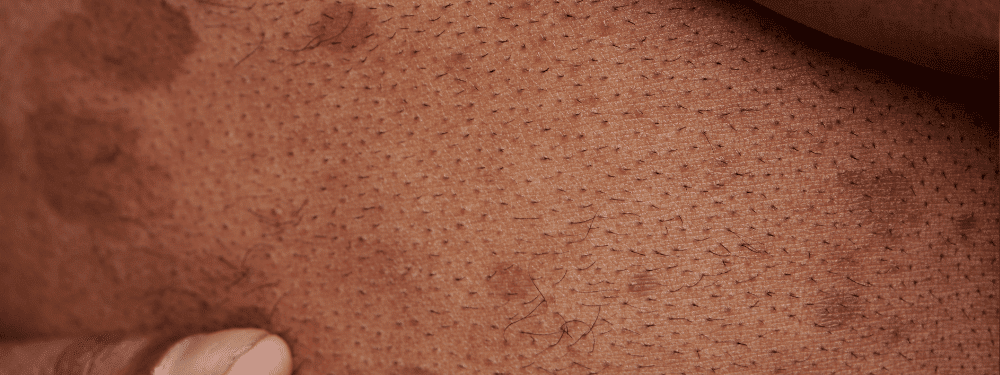
The most effective hyperpigmentation treatments
Remember, melasma is hyperpigmentation, but not all hyperpigmentation is melasma. Which is to say that some melasma treatments will also work for hyperpigmentation because the goal is the same: lighten patches of darkened or concentrated pigment. All of the above will have this effect.
Hyperpigmentation, though, is more likely to respond to over-the-counter remedies and in-office aesthetic treatments like those listed below, especially if the hyperpigmentation is caused by sun exposure or scarring, rather than genetics or hormone fluctuations.
Vitamin C. Vitamin C reduces melanin synthesis, which means it will slow down darkening. It can also even out skin tone.
Chemical peel. An in-office chemical peel administered by a dermatologist will remove the outermost layers of the skin, which are the ones that darken because of hyperpigmentation.
Laser treatments. Similarly, ablative lasers will remove the damaged layers of skin, while non-ablative lasers promote collagen growth and cell turnover.
 Why You Shouldn’t Ignore the Pain from An Uncomfortable Hairstyle