


You may wear your hair the way you do because you look and feel good doing so. For some, a hairstyle is a way to feel connected to cultural heritage. For others, it’s a form of self-expression. In each case, a little discomfort may seem worthwhile.
But any hairstyle that involves tugging can trigger what are known as external-traction headaches; and consistent tension can lead to hair loss.
Here, I’ll explain how exactly braids, cornrows, and tight ponytails can make your head hurt. And then I’ll help you recognize when it’s time to be concerned.
How a tight hairstyle causes headaches
Most of us have experienced a tension headache, which can feel like a tight band around your head is causing pressure or a dull ache. By contrast, an external-traction headache is felt mainly where the hair is pulled. For instance, a high ponytail may cause your crown to hurt, and newly installed cornrows could lead to pain across your scalp.
This happens because some hairstyles can aggravate sensitive nerve endings on the scalp. But they won’t cause long-term nerve damage. Generally, you should feel better within an hour of loosening your hair.
To prevent these headaches from occurring, opt for a looser hairstyle. Consider using a hair clip or soft headband to help keep your hair out of your face during a workout or while cooking.
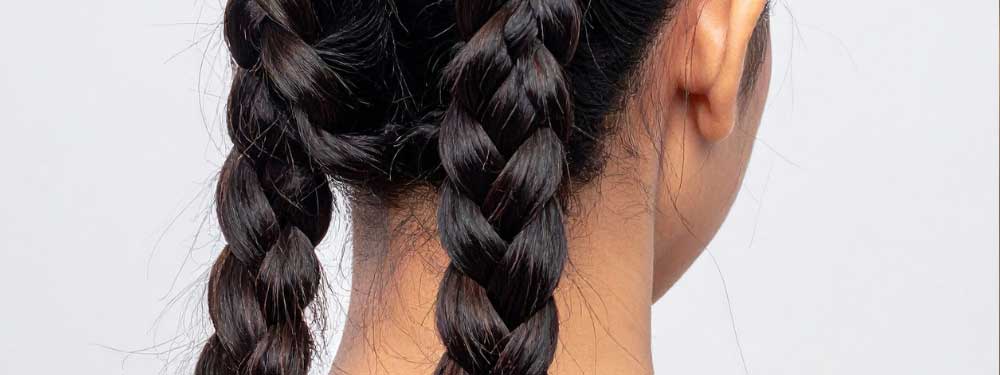
With tight braids, the solution isn’t as simple. Box braids put tension on hair roots because they usually involve placing hair extensions right at the scalp. Knotless braids tend to cause less tension because they feed extensions into the braids.
If wearing a looser style isn’t possible, try taking ibuprofen before a hair appointment, or even once you begin to feel pain. It’s still important, however, to tell your braider you’re in pain while your hair is being styled because pain medicine won’t change the fact that the hairstyle is too tight.
Long-term effects of a tight hairstyle
Consistent tension can also cause hair to snap, as can any style that adds friction to hair. For instance, regularly using hair ties means elastic bands rub against hair over and over.
Traction alopecia is another risk. It’s a type of hair loss caused by constant pulling at the hair root. Initially, it may appear as a receding hairline or patches of hair loss. It may also look like acne or flaking on the scalp.
The condition can worsen if someone continues to wear a style that pull at their hair, with scar tissue destroying hair follicles and causing permanent baldness.
Anyone who regularly wears tight hairstyles can experience traction alopecia, but it’s most common among Black women. People with chemically straightened hair may also be at increased risk, though it’s unclear why.
At the first signs of traction alopecia, a board-certified dermatologist may prescribe a topical steroid, or inject steroids into the scalp to decrease inflammation and prevent scarring. They might also recommend minoxidil, an over-the-counter topical medication that stimulates hair growth. Oral minoxidil is also available by prescription. (The Food and Drug Administration has not approved any medications for traction alopecia specifically, but it has approved topical minoxidil for male- and female-pattern baldness.)
In general, try to avoid hairstyles that cause uncomfortable tension.
Box braids and cornrows are widely perceived as protecting hair because they’re saving you from frequent hair styling, which is associated with brittle, damaged hair. But these styles could be damaging your follicles. So try wearing them only once or twice a year, for no longer than six weeks at a time.
 How to Adapt Your Skincare Routine to the Cooler Weather