

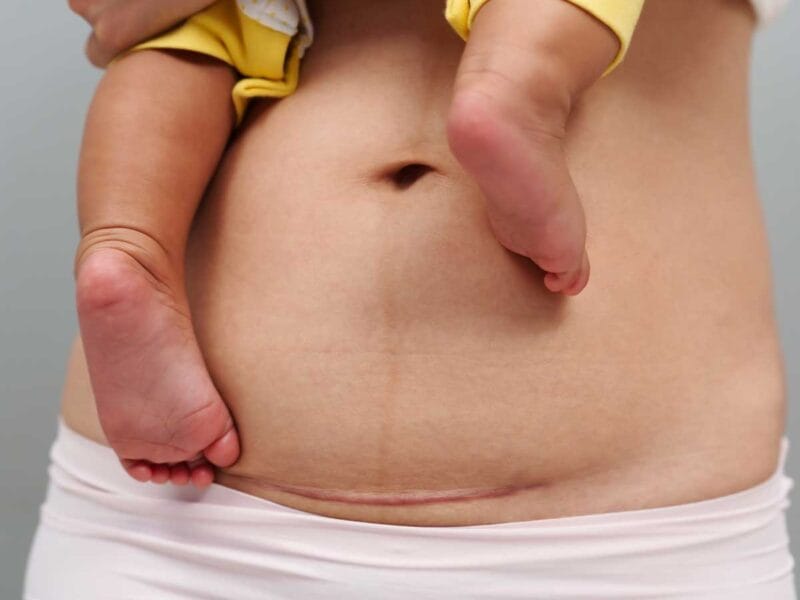
For many who have a cesarean section, their wound heals and is relatively pain-free after a few months. But an estimated seven to 18% of people develop chronic scar pain after a C-section. Even more experience numbness, itching, and odor around their scar – sometimes for months or even years after their surgery.
Approximately 30% of births in the United States are via C-section, which means a lot of women could potentially have issues.
Here, we’ll look at what may be causing C-section scar-related symptoms and what you can do about them.
The weeks right after surgery
Pain, soreness, and itching around the incision site during the six to eight weeks after a C-section is common. The itching occurs because the body is producing itch-inducing histamines, which increase blood flow to the wound and facilitate healing.
Some people can also have allergic reactions to the adhesives and disinfectants used during the surgery, so if the itching is intense or your skin is red and blistered, see your doctor.
If your incision is emitting an odor during the first six to eight weeks after surgery, it’s possible you have an infection. This could either be a bacterial infection of the wound itself, or a yeast infection of the tissue surrounding it. If you have any concerns, see your doctor to make sure everything is healing properly.
To reduce the risk of infection, keep the area around the scar clean and dry, dabbing the area with a clean, dry cloth a few times a day to remove any moisture.
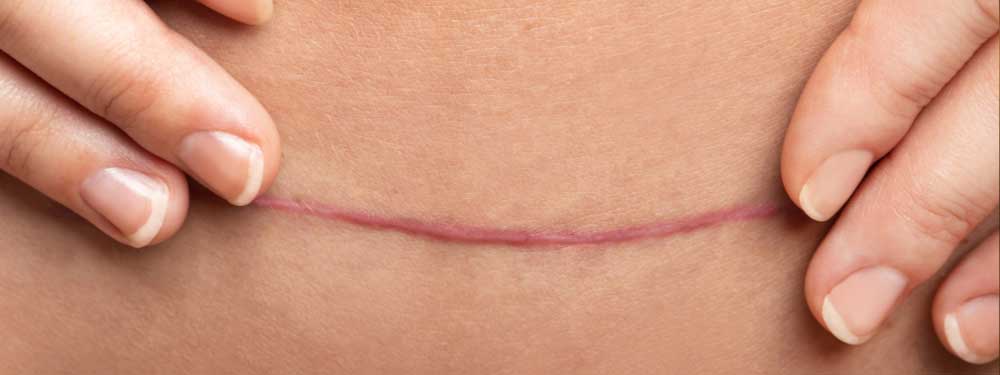
Months or years after surgery
Certain symptoms can persist beyond the first six to eight weeks, including pain. Sometimes, the scar tissue pulls on the surrounding skin or muscle, which can be uncomfortable. Some people can feel a pulling sensation on their scar when they try to bend backward or extend their legs behind them.
If this happens, try gently massaging your scar by pressing on it in a circular motion or lightly pinching and rolling the scar between your fingers.
A pair of tight-fitting underwear or pants can trigger pain, too, as well as itching. If your scar is sensitive, try to wear seamless underwear, soft fabrics, or high-waisted clothing that won’t directly contact the area.
Certain nerves can be severed during a C-section, which can lead to numbness initially, then aches and pains as the nerves begin to regenerate. Sometimes, scar tissue can entrap nerves during this process, causing a burning sensation in the lower abdomen or groin. If you experience prolonged nerve pain, see your doctor.
Thick and raised scars are known as keloid scars. They result from scars continuing to grow beyond the original incision site. Keloid scars can be itchy and painful, and may be treated with silicone creams or tapes or steroid injections.
Months or years after the scar tissue has healed, infections are still possible. A common one is called intertrigo, which develops when skin rubs together and moisture accumulates in the crease around the scar, allowing yeast or other microbes to take root and populate. It can be painful, it can produce an odor, and it can be very itchy.
If you suspect you’ve developed an infection, see a dermatologist. Intertrigo is usually treated with antibiotics or topical or oral antifungal medications.
If you’re experiencing any abnormal itching or discomfort, seek help. New mothers sometimes struggle to advocate for themselves, but this isn’t something you should suffer in silence with.
 Grapeseed Oil Seems to Be Having a Moment. Why?